




Events are evolving faster than ever before. Conferences, expos, summits, university programs, networking meetups, and community gatherings are no longer just physical experiences. Today’s attendees expect digital convenience, seamless networking, instant access, and smarter engagement throughout the entire event journey.
This is why smart event technology is becoming the future of connected communities.
Traditional event systems often create fragmented experiences. Registration platforms, printed tickets, attendee networking, exhibitor engagement, and communication tools usually operate separately. As a result, organizers struggle with inefficiencies while attendees experience disconnected interactions.
Modern ecosystems like Vaurse are changing this by combining identity, networking, event access, engagement, and smart interactions into one connected platform.
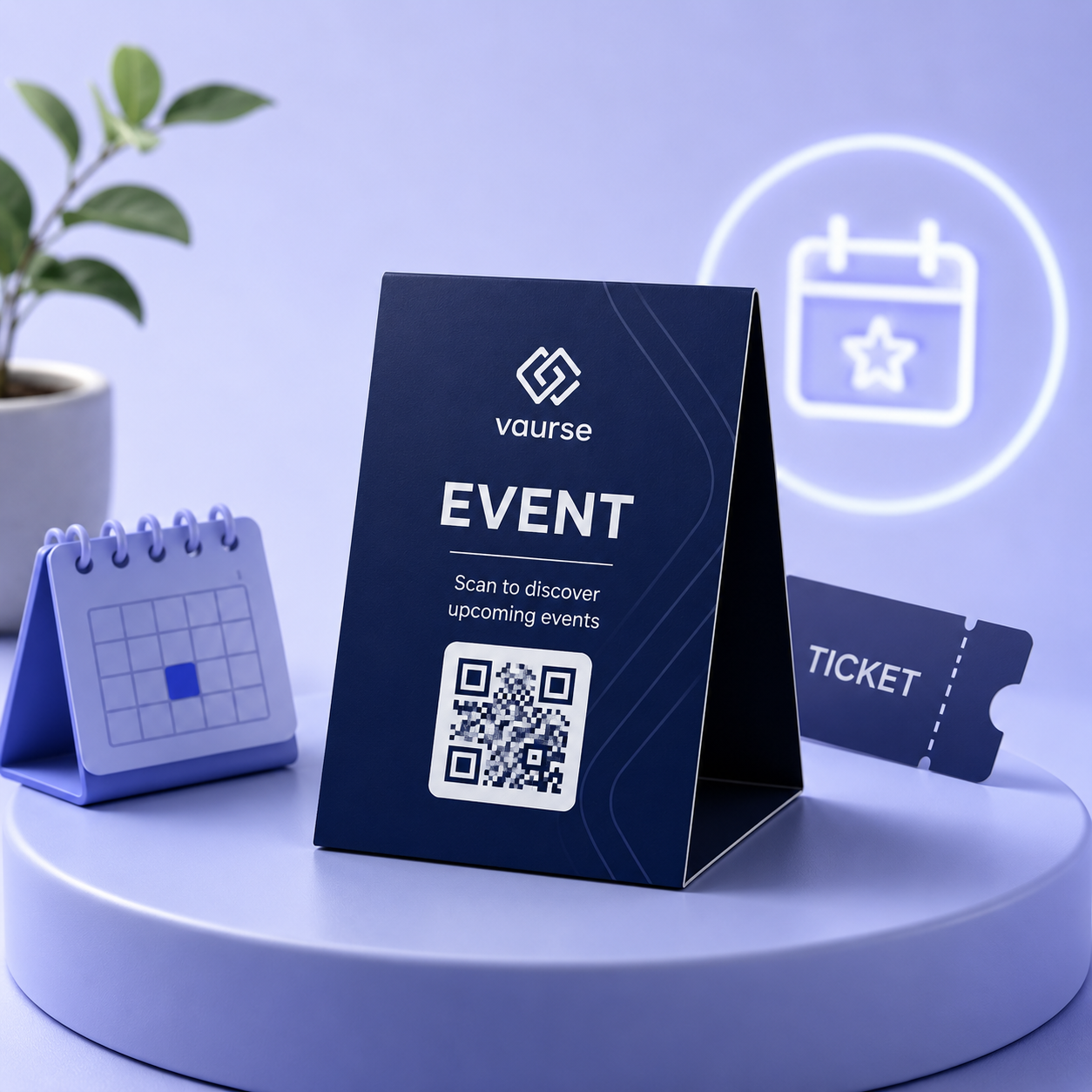
One of the most important innovations is the use of digital event passes powered through NFC and QR technology. Instead of relying on printed tickets or manual check-ins, attendees can access events instantly using smart digital identities linked to their profiles.
This improves both speed and security.
Smart event passes can also reduce fraud and unauthorized access. Since identities are connected to verified profiles, organizers gain better control over attendee management while improving the overall event experience.
Networking is another area experiencing major transformation.
Traditional event networking often depends on exchanging paper business cards that are easily forgotten or lost. Smart networking platforms allow attendees to instantly connect by tapping or scanning their Voscard profiles. Contact information, portfolios, social links, company details, and networking profiles can all be shared instantly.
This creates more meaningful and lasting interactions.
Exhibitors and sponsors also benefit significantly from connected event ecosystems. Instead of relying only on physical booths, exhibitors can capture leads digitally, engage attendees in real time, and track interactions more effectively.
For organizers, smart event systems create valuable operational insights. Attendance tracking, visitor behavior, networking engagement, check-in analytics, and session participation can all be monitored in real time. These insights help improve future events while providing measurable value to sponsors and stakeholders.
Another major advantage is community building beyond the event itself.
Most traditional events lose momentum once attendees leave the venue. Connected digital ecosystems allow communities to continue interacting long after the event ends. Attendees can stay connected, join memberships, access future events, participate in campaigns, and maintain networking relationships within the same platform.
This transforms events from one-time experiences into ongoing digital communities.
Schools, universities, and organizations are also beginning to use smart event platforms for internal programs, alumni engagement, training sessions, and conferences. Connected identity systems make it easier to manage participants while improving engagement and communication.
The future of events is also becoming more personalized. Smart ecosystems can recommend networking opportunities, sessions, communities, exhibitors, and experiences based on attendee interests and profiles.
This creates deeper engagement and more valuable experiences for everyone involved.
As communities continue moving toward digital-first interactions, event technology will play a major role in shaping how people connect, collaborate, and engage. Platforms that combine identity, networking, verification, attendance, and engagement into one seamless experience will define the next generation of events.
Smart events are no longer just about managing attendees.
They are about creating connected communities powered by trusted digital interactions.
Add